Blog Details

Fighting Infectious Diseases: A Comprehensive Guide
Infectious diseases, caused by harmful microorganisms such as bacteria, viruses, fungi, and parasites, continue to pose significant threats to global health. Whether it's a seasonal flu or a global pandemic, these diseases can spread rapidly, causing widespread illness and even death. At Winlife Hospital, we understand the importance of timely diagnosis, treatment, and prevention strategies in tackling infectious diseases. This blog explores the nature of infectious diseases, how they spread, and what we can do to protect ourselves and our communities.
What Are Infectious Diseases?
Infectious diseases are illnesses caused by pathogens such as bacteria, viruses, fungi, or parasites. These pathogens can invade the body and multiply, leading to symptoms like fever, fatigue, and inflammation. Some common examples of infectious diseases include influenza, tuberculosis, malaria, HIV/AIDS, and COVID-19. While many of these diseases can be treated effectively with medications, they remain a global challenge due to factors like antibiotic resistance, lack of access to healthcare, and the rapid spread of new strains of pathogens.
How Do Infectious Diseases Spread?
Infectious diseases can spread in various ways, depending on the type of pathogen. Understanding how these diseases are transmitted is crucial for prevention. Here are some common modes of transmission:
- Direct Contact: Many infections spread through physical contact with an infected person or their bodily fluids. This includes diseases like HIV, herpes, and COVID-19, which can spread through kissing, touching, or sharing personal items.
- Airborne Transmission: Some viruses and bacteria, such as the flu and tuberculosis, can be spread through the air when an infected person coughs, sneezes, or talks. These pathogens can travel long distances and infect people who are not in direct contact with the infected individual.
- Vector-borne Transmission: Certain diseases, like malaria and dengue fever, are transmitted by insects, such as mosquitoes, that carry the pathogen and bite humans.
- Contaminated Food and Water: Pathogens can also spread through contaminated food or water, causing diseases like cholera, food poisoning, and hepatitis A.
- Zoonotic Transmission: Some diseases can jump from animals to humans. These zoonotic diseases, such as rabies or avian flu, can be particularly dangerous due to their potential for rapid spread.
The Importance of Prevention
Prevention is the most effective way to combat infectious diseases. Winlife Hospital emphasizes the need for both individual and collective efforts to reduce the risk of infection. Here are several preventive measures that can be taken to protect yourself and others:
- Vaccination: Vaccines are one of the most powerful tools in preventing infectious diseases. Vaccines protect individuals from severe infections and help reduce the spread of diseases within communities.
- Hygiene Practices: Washing hands frequently with soap and water, especially before eating or after using the restroom, is one of the simplest and most effective ways to prevent the spread of germs.
- Safe Food and Water Practices: Ensure that food is cooked thoroughly, and drink only clean, purified water. Avoid consuming food from unregulated sources.
- Use of Insect Repellents: For diseases transmitted by insects, using insect repellents and sleeping under mosquito nets can help prevent infection.
- Safe Sex Practices: Using condoms during sexual activity can prevent the transmission of sexually transmitted infections (STIs).
- Antibiotic Stewardship: Only take antibiotics when prescribed by a healthcare professional and complete the full course of treatment to avoid resistance.
Diagnosing and Treating Infectious Diseases at Winlife Hospital
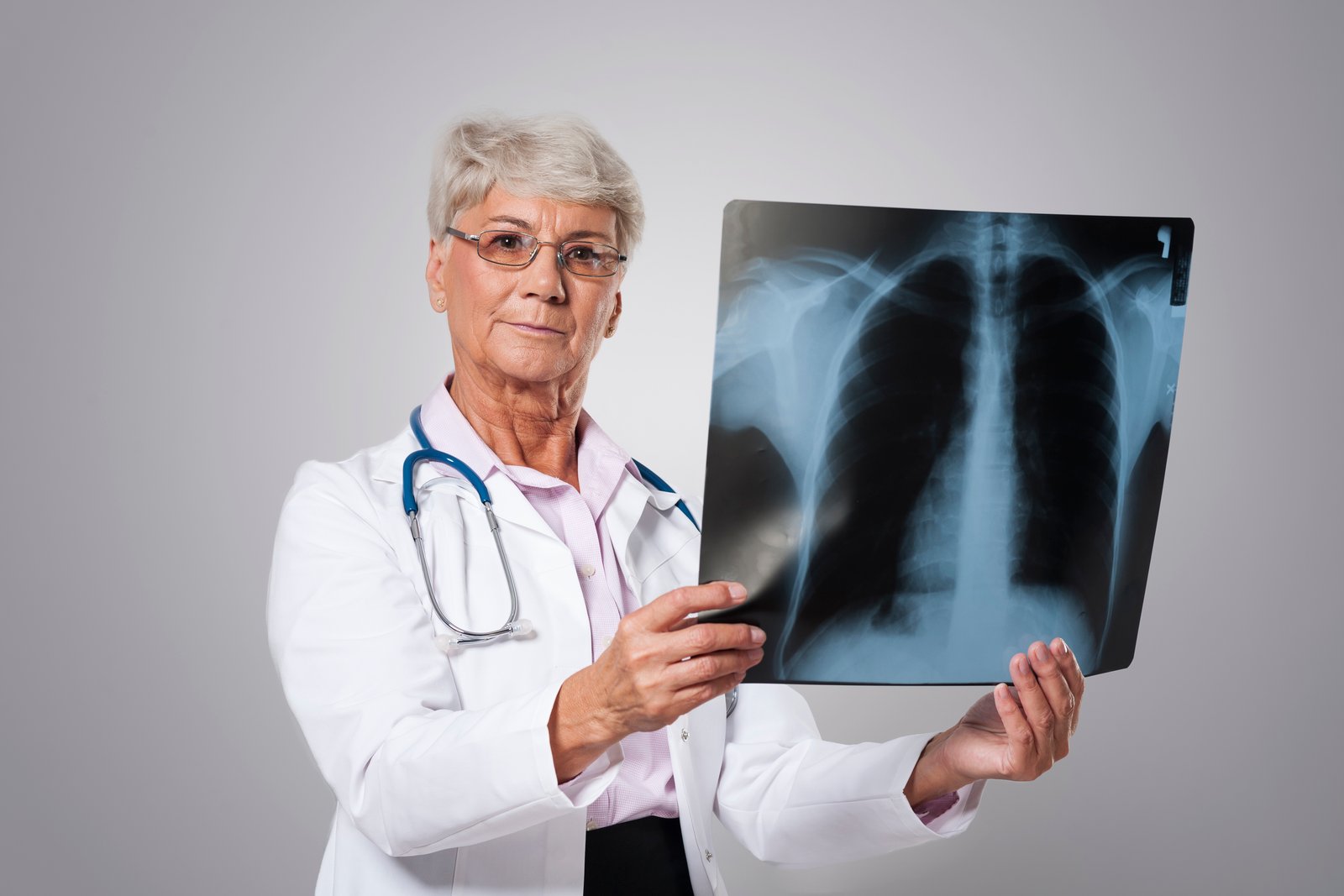
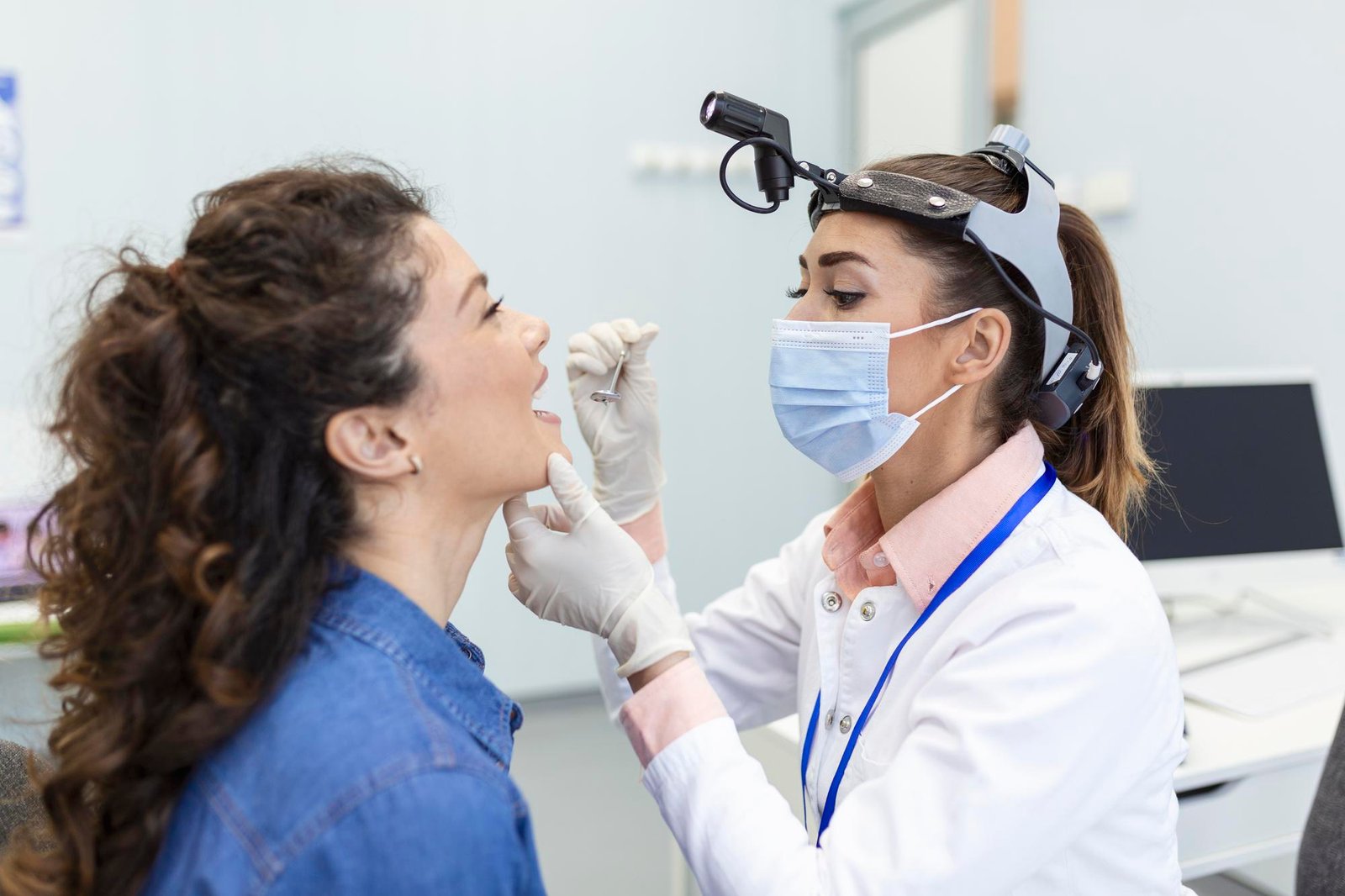
At Winlife Hospital, we provide state-of-the-art diagnostic tools to accurately identify infectious diseases. Early detection is critical in preventing the spread of illness and ensuring that patients receive the appropriate treatment.
Our infectious disease specialist1s are trained to handle a wide range of conditions, from common colds to more complex and life-threatening diseases. Depending on the infection, treatments may include:
- Antibiotics: For bacterial infections like pneumonia or urinary tract infections.
- Antiviral Medications: For viral infections such as HIV, influenza, and herpes.
- Antifungal Treatments: For fungal infections like candida or ringworm.
- Antiprotozoal Medications: For parasitic infections like malaria or giardiasis.
Conclusion
Infectious diseases will continue to pose a challenge to global health, but with proactive prevention, early detection, and timely treatment, we can reduce their impact. At Winlife Hospital, we are committed to providing the highest standard of care to treat and prevent infectious diseases, ensuring the health and safety of our patients and the community at large.
If you have any concerns about infectious diseases or need to schedule a consultation, contact Winlife Hospital today. Together, we can combat these diseases and create healthier, safer communities for everyone.
.jpg)